
Meta, Where the F@!< have you been?!
announcements

Building After-School Programs to Support Kids with Disabilities
Friday, September 4, 2026 | 10:00 AM to 12:00 PM PST
Online
This session helps program leaders design systems that support youth with disabilities, mental health challenges, trauma, and other complex needs. Program leaders will examine how policies, staff training, program design, supervision, and responses to challenging behavior can increase safety, regulation, and belonging so ALL students can learn, play, and thrive.
Using real-world scenarios and a practical organizational assessment, leaders will identify gaps in their current systems and develop concrete next steps for improvement.
Use the code “GUEST” at check-out to attend for free!
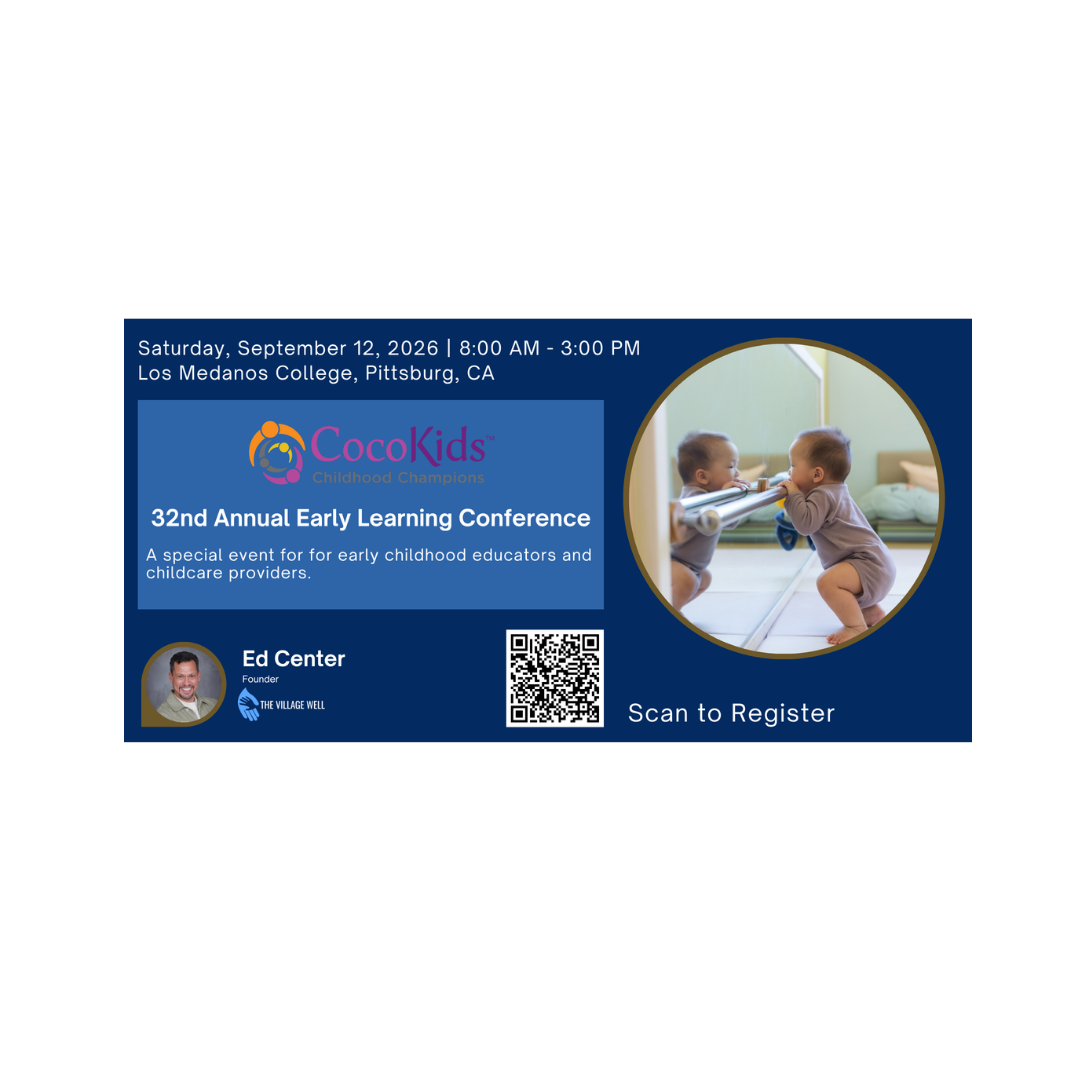
32nd Annual Early Learning Conference
Saturday, September 12, 2026 | 8:00 AM to 3:00 PM PST
Los Medanos College, Pittsburg, CA
Join me at the CoCoKids Early Learning Conference on September 12 in Pittsburg, CA!
This special event is designed specifically for early learning educators and childcare providers. I’ll be leading a session on how to support kids through big feelings and big behaviors.

Events for autistic folks and their families in the Bay Area!
Hikes, haircuts, fishing, and a pool party! Check out the great events that the San Francisco Bay Area Autism Society is hosting in September.
my regular rant against screens
Toward the bottom of every newsletter, I have a section called “my regular rant against screens” Today, I’m elevating it to our featured story because last week brought huge news in the fight to hold Big Tech accountable for hurting our children.
I start my story well before the internet as we know it.
In 1982, an unknown killer placed cyanide-laced pills into Tylenol bottles and returned them to store shelves. Seven people were killed. Tylenol’s parent company, Johnson & Johnson, faced a crisis in public health, business, and trust.
The company went big. It issued mass warnings and pulled 31 million bottles from stores. When Tylenol returned, it came in tamper-resistant packaging: foil across the bottle opening and plastic around the cap. It was now nearly impossible to alter a bottle’s contents without detection.
The crisis accelerated other advances in consumer safety, including the child-safety cap, inciting me to launch a million f-bombs at my medicine cabinet.
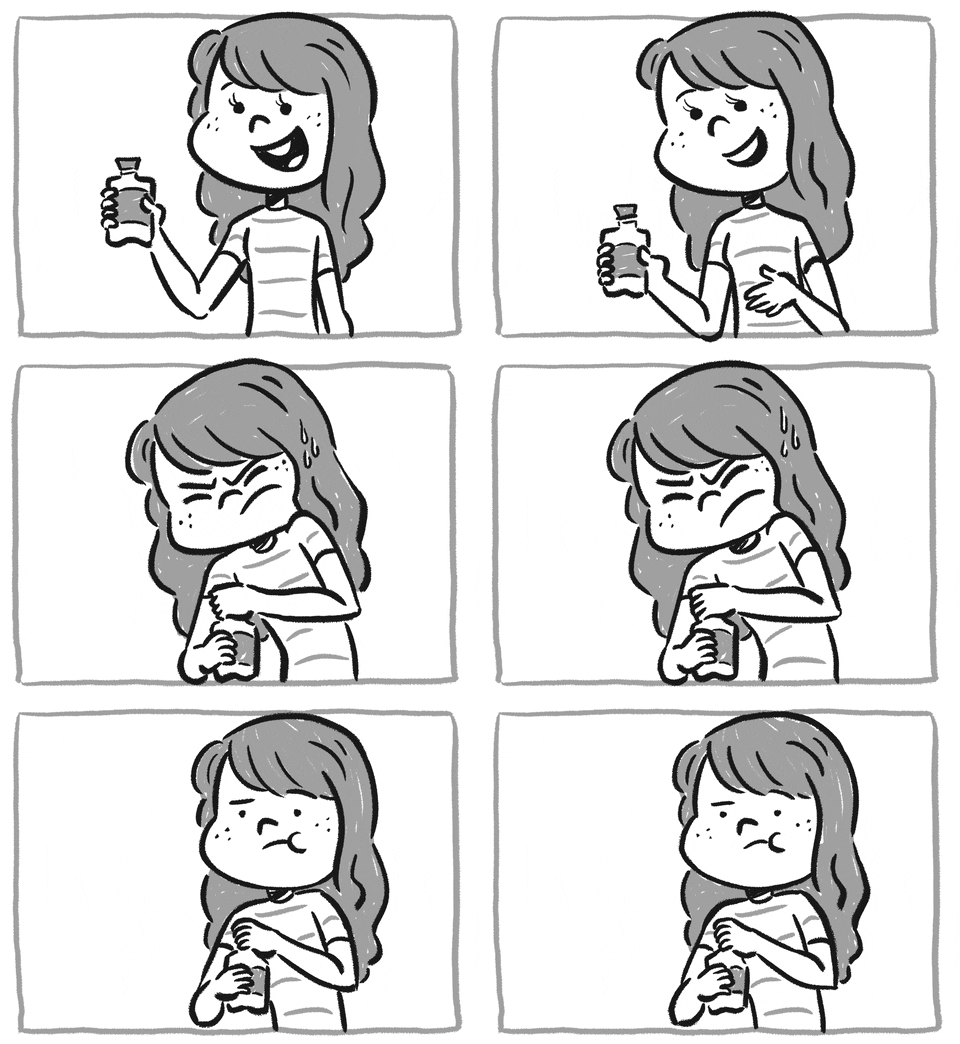
My point: A major American company realized that its product could be a vehicle for harm. It acted with transparency, ingenuity, and speed to protect its customers.
My question: Meta, where the f*!k have you been?!
Last Wednesday, Meta, the parent company of Facebook and Instagram, agreed to pay up to $17.1 billion to settle claims brought by 47 states and several territories (let’s go, Northern Mariana Islands!).
The states accused Meta of deliberately designing its platforms to keep children online while misleading the public about the risks to their mental health. Meta denied wrongdoing but agreed to pay billions and change how young people use its platforms.
Meta is paying a lot of money—or is it?
Meta will pay at least about $12.7 billion over ten years. The total could reach $17.1 billion if TikTok, YouTube, and Snapchat adopt comparable protections.
It is the largest state consumer-protection settlement outside of the Big Tobacco agreements. It deserves celebration.
But the money will go primarily to governments, not directly to families. States will decide how much supports youth mental health, digital literacy, after-school programs, or their general funds.
As a parent who has experienced screen-based compulsion and mental-health challenges at home, I wish families could get in line. Many have paid for therapists, psychiatrists, tutors, specialized schools, treatment programs, and lost work time while technology companies made billions capturing their children’s attention.
Meta generated about $201 billion in revenue in 2025. So yes, the settlement will sting. But will it fundamentally change a business model built on keeping people scrolling?
I’m not convinced.
Meta is making meaningful changes
The settlement creates new protections for users under 18, including:
A two-hour daily limit across Facebook and Instagram
Mandatory usage pauses
Restricted access between midnight and 6 a.m.
Silenced notifications overnight and during school
Stronger age detection and parental controls
Hidden “like” counts
Restrictions on extreme beauty filters
Stronger protections against bullying, eating-disorder content, suicide, and self-harm
These are substantive improvements. But again—Meta, where the f*!k have you been?!
These are commonsense safeguards, not technology from the future. Meta could have put foil and cellophane on the pill bottle years ago.
Instead, it sent notifications during school, served teenagers visible popularity scores, offered beauty filters to children developing their identities, and made late-night scrolling effortless.
When Tylenol raced to protect the public, it understood that its business depended on trust.
What does Meta’s business depend on?
Attention.
The features that made Instagram and Facebook difficult to put down were not bugs in the system. They were the system.
There is a lot Meta isn’t doing
Meta is not required to end personalized recommendations or targeted advertising to teenagers. It is not eliminating infinite scroll, autoplay, or algorithms that learn exactly what holds a child’s attention.
The agreement does not fully address how these algorithms can lead vulnerable teenagers toward increasingly extreme content about dieting, self-harm, anger, violence, or hopelessness. Some of its strongest protections also last only five years.
The underlying conflict remains: Meta makes more money when young people spend more time on its platforms.
Tougher provisions begin only if TikTok, YouTube, and Snapchat accept comparable restrictions. Meta does not want to restrain itself while competitors offer more addictive experiences. So call bullshit when Mark Zuckerberg positions Meta as a leader in child safety.
So what?
This settlement gives us an opening. Here is what I think we should do with it.
1. Create broad, enforceable policy.
The Kids Online Safety Act (KOSA) would require stronger safeguards, parental tools, and transparency, but Congress still has not made it law.
Congress should finish the job—and go further. Federal law should restrict addictive design, targeted advertising to minors, and algorithms that repeatedly feed children harmful content. Schools should be phone-free throughout the day. We should also follow Australia’s lead by prohibiting social-media accounts for children under 16.
These policies seem extreme only because we have normalized giving children unrestricted access to products designed to monetize their attention. The extreme policy was allowing this uncontrolled experiment to continue for 20 years.
2. Change our cultural norms.
We establish age limits for alcohol, gambling, and cannabis because developing brains face different risks. Smartphones and social media deserve the same seriousness.
We give children powerful devices before they have the judgment to manage them, then blame them for being unable to resist products engineered by some of the smartest and best-paid adults in the world.
That makes no sense.
Children can use basic phones or watches without carrying the entire internet in their pockets.
Schools and youth programs should protect sustained attention, face-to-face relationships, movement, creativity, and play. Let kids read physical books, write on paper, solve difficult problems without switching tabs, and experience boredom.

3. Make harming children expensive.
Tax advertising directed at minors. Impose enormous fines for violating youth-safety rules. Require companies to fund mental-health care, youth programs, research, and public education.
If exploiting children remains profitable after the fine is paid, the fine is simply a business expense.
4. Sprint toward AI regulation.
Children are already forming relationships with chatbots, relying on them for emotional support, and receiving advice from systems that can sound authoritative while being completely wrong.
We cannot wait another 20 years to ask whether there should have been safeguards. AI companies must be required to build child protections into their products now.
What does this mean for parents and educators right now?
Parents should keep phones out of bedrooms, delay smartphones and social media, use the strongest settings, and talk openly about algorithms, advertising, comparison, and notifications.
Educators and youth workers should protect phone-free spaces and help young people practice sustained attention, in-person conversation, frustration tolerance, and boredom.
Most importantly, we must stop treating each family as if it is fighting an individual battle against screens.
This settlement is meaningful. It is worth celebrating. And it is nowhere near the end of the fight.
Related Reading: here’s an excellent and horrifying essay on how the coming digital divide will involve rich kids touching grass while working class kids' lives are run by chatbots.
stories of hope

I’ll miss Dolly Parton. I loved her vivaciousness, her unfiltered but well-crafted humor, her sly authenticity about her manufactured look. I still love her music. We lost a legend, and can feel a Dolly-sized hole in the universe. And yet - she crammed 800 years of living into those 80 years of life. She racked up the accomplishments, the awards, and managed to capture fans across many generations. In the work I do with The Village Well, I always try to hold four values: honesty, kindness, authenticity, and a touch of sass. I’m pretty good at doing what I do. But Dolly embodied these values to perfection (and boy could she embody)! If I can bring forth just a matchstick’s worth of the light that she shined in the world, I will consider myself wildly successful.
I was born with a happy heart. I've always tried to let that shine even during my dark times. I'm one of those people who, even if things are not right, goes about trying to make it as right as I can rather than just lying around on my ass and wallowing in it all day. I think, "Well, I can either do this or I can do that." I choose to get up and try to make it better if I can...
Of course, I try to improve every day. If there's a better outfit, I want to wear it. If there's a better song, I want to write it. If there's a better record, I want to record it. If there's a better movie, I want to make it. I will continue to be as good as I can be. And I intend to keep coming up with new ideas all the time.
- Dolly Parton
Behind the Seams: My Life in Rhinestones
we’re obsessed with

Summer tomatoes. I can’t get enough of them right now. I like to slice them, sprinkle a little sea salt and drops of lemon olive oil and call that a salad. I also love this easy tomato sauce recipe from NY Times cooking.

Up next… gazpacho!
Slow Horses. This show is as addictive as unregulated Instagram. It’s a British crime thriller series about a troupe of rejected and shamed MI5 agents who have been put out to pasture as paper pushers, yet they continuously find themselves in the thick of complex crime and espionage. Definitely NOT kid-friendly. Apple TV.
Frozen Asian dumplings. My “go to” holy shit it’s 6pm and I haven’t planned a family dinner meal. It sounds crazy, but you trust me with advice about your children, so trust me on this.
Combine frozen Asian dumplings with a jar of your favorite store-bought pasta sauce in a skillet. Add about a tablespoon of soy sauce. Simmer on medium until the potstickers are cooked through. Serve over rice, or pasta, or just in a bowl. Watch the kids gobble it up!

Book a workshop for your school or organization
Bring The Village Well to your school or organization. We provide powerful, interactive and fun workshops for parents and/or staff. Learn more

As a child with undiagnosed ADHD, Ed Center experienced firsthand what it’s like to navigate big feelings and behavioral challenges. He founded The Village Well to ensure families and educators have the practical tools and support kids with disabilities and mental health needs deserve. Whether you’re looking to build a more inclusive program or support a child at home, our team is here to help. Schedule a consultation with us today to get started!
FOLLOW THE VILLAGE WELL ON: