
announcements
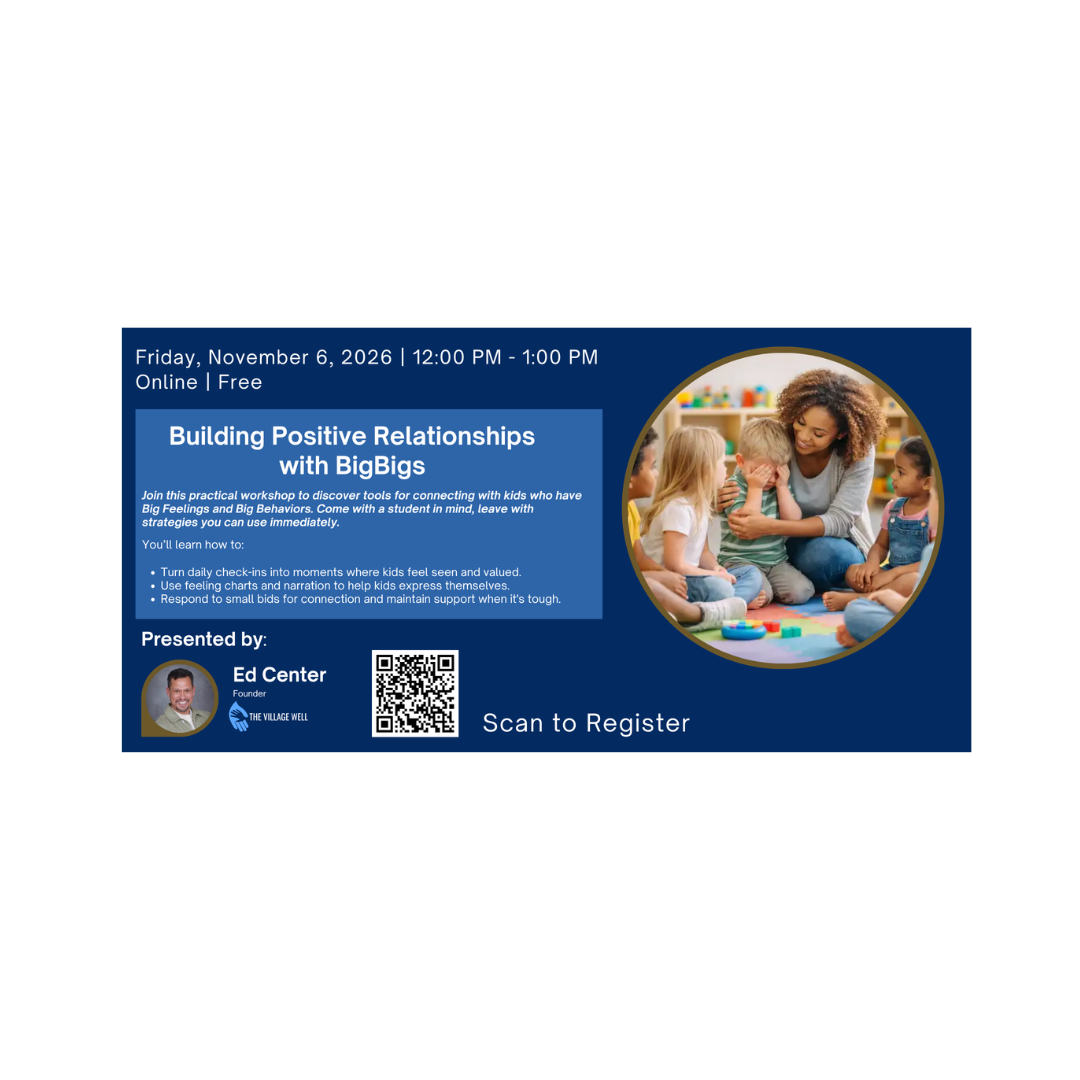
Building Positive Relationships with BigBigs
Friday, November 6 | 12:00 PM to 1:00 PM PST
Free Online Workshop
Some kids make it easy to connect. Others push you away, test your patience, and need you to keep showing up.
“BigBig” is my nickname for kids with Big Feelings and Big Behaviors. I was one of these kids. When kids trust that you see them, care about them, and are on their side, they’re more willing to accept support and try hard things.
In this interactive workshop, we’ll explore six practical tools for building connection and tackling the everyday obstacles educators and youth development workers face. Come with a student in mind. Leave with strategies you can use that afternoon.
You’ll learn how to:
Turn everyday check-ins into moments that help kids feel seen and valued.
Use feeling charts to help kids communicate what’s happening inside.
Find opportunities for Special Time, even during a busy program day.
Notice and respond to kids’ small bids for connection through Serve and Return.
Use Permission and Narration to help kids recognize their feelings while giving them a voice.
Build connection through appropriate touch that respects everyone’s boundaries and choices.
Keep investing in relationships when connection feels difficult—and choose practical next steps for a child in your program.
the heart of the matter
This is the first of a four-part series on the skills of building relationships with students. I’ve excerpted this text from the book I’m writing on supporting kids with disabilities in expanded learning programs. Got any leads with publishers? Hit me up!
I was setting up for a presentation at a science museum in San Francisco, where I would speak to staff about cultural wisdom. My laptop wouldn’t connect with the big screen. When the tech guy arrived, I did a double take.
“Hey!” I said.
A pause.
“Oh my GOD! Mr. ED!!”
I was enveloped in a bear hug.
Guillermo was my student at Balboa High School 25 years before. I taught the Peer Resources program, which included peer counseling, conflict mediation, and a theater troupe focused on relevant teen issues. As a youth, he projected a laid-back demeanor that belied an earnest desire to make a mark, to matter. Even then he had a striking, bass-deep voice. I had heard that he had done on-air radio work.
We set up and caught up. He told me he has a girlfriend, no kids, doesn’t want any. He’s happy at the museum but misses the creative work of radio.
“Do you remember you gave me flowers at graduation?” he asked.
I didn’t.
An energy shift. He was calm. Reflective.
Because of some bullshit, the principal had told me that I graduated but I wasn’t allowed to walk in the ceremony. I was super pissed. I was just going to skip the ceremony. Then you told me that I should go and show up for my friends and cheer for them. You said that it would suck, but that I would probably be glad I did it.
At the last minute I decided to go. You were right- it did suck. It killed me to have it all in my face when I couldn’t be up there. But I was super proud of my friends, and when I cheered for them they would point at me, or wave, and it felt like I was with them in my own, different way.
Afterward, I walked outside the auditorium and you and Ms. Claudia gave me this big-ass bouquet of flowers. No one had ever given me flowers before! I felt… I felt special. I felt like I had done something hard and been rewarded and that’s really what graduation is, right?
I kept those flowers for years. I even took them to my first apartment. They didn’t dry well. They were wilted and raggedy with like three petals. I didn’t care because of what they meant. Years later when I moved in with my first girlfriend, I decided it was time to let them go. But damn, they meant so much to me. That you guys remembered me and saw me meant so much.
Twenty-five years later, Guillermo remembered what it felt like to be seen.
Why Relationships Matter
As an educator, your most important role is to build positive relationships with your students. This is more important than helping students get homework done or leading exciting enrichment activities.
Everything you ask kids to do depends upon the relationship you have established with them. If you want kids to follow directions, you’d better have a strong connection with them. If you are nudging a child to try something uncomfortable like public speaking or yoga, it’s her trust in you that gets her there. Need to remove a screaming student from a situation before they start hitting? They better know that you have their best interests at heart.
From the moment we enter the world, humans seek connection with other humans. We need connection for survival. We don’t lose our need for belonging as our competence and independence grow.
Think back to a time when it was your first day at a new school. What was your primary concern? Were you curious about the relevance of the curriculum? The quality of the instruction? The cleanliness of the bathrooms?
No.
Okay, maybe you were curious about the bathroom situation, but you were more nervous about making friends. Your need for belonging trumped all other issues.
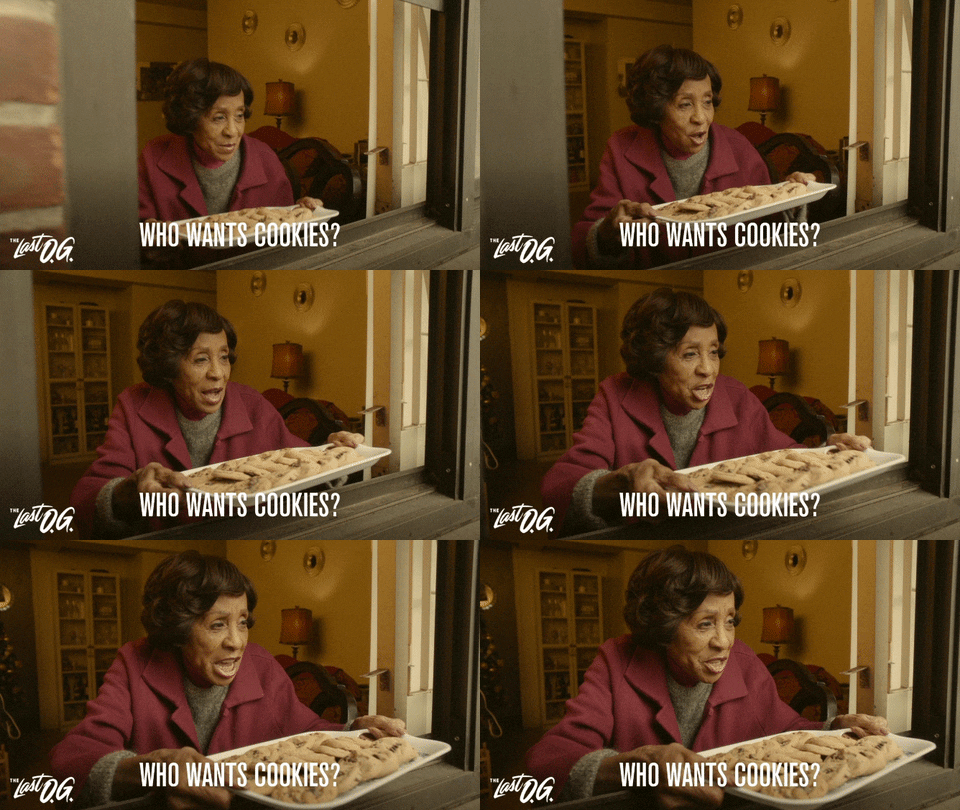
The Cookie Lady
Shoutout to my friend and mentor Ren Daraio for teaching me this activity 26 years ago.
Let’s take a trip down memory lane. I think you’ll enjoy this.
Think back to your childhood. Think about an adult who was supportive, friendly, and caring to you. Try to think of someone other than your parent or primary caregiver. Someone who really showed up for you, even though they didn’t have to.
Maybe it was your fourth-grade teacher. Maybe it was your swimming coach, your summer camp counselor, or a friend’s dad. Maybe it was the lady who snuck you an extra cookie in the cafeteria.
Take your time and bring this person’s image into your mind with fullness and clarity.
What do they look like? What are they wearing? What hairstyle do they have?
What does the surrounding area look like? Are you in a classroom? A soccer field? A kitchen?
What sounds do you hear? What scents do you smell?
What are you doing in this space?
Now bring your full attention to this person. What are they doing? What is their demeanor like—quiet, playful, big joyous energy, or focused listening? What is their mood and feeling, and how does that affect your mood? What are you doing? How do you feel?
What are the qualities of this person that made them special in this memory? Write those down here:
Complete your list before reading further.
Okay, notice the words on your list. I bet that you focused on the relationship you had rather than the activity you did. I bet you wrote things like:
She believed in me.
He was a great listener.
He loved me even though I was so different.
They pushed me to be my best when I didn’t know I could.
What we remember is the quality of the relationship.
We might have discovered a passion for computer programming or dance. But there was someone there—a teacher, coach, counselor, Cookie Lady—who made us feel like we mattered.
A note: Every time I run this activity, there are one or two people who struggle to recall a caring adult. This can bring feelings of sadness or shame. Some people experienced childhoods without the warmth, care, and support they deserved. If this exercise brings up difficult feelings for you, take care of yourself.
Connection Is a Skill
Connection is a skill you can practice and build.
Think about your Cookie Lady. You trusted this person, worked extra hard for them, wanted to please them, and followed their directions. Well at least you tried most of the time.
Our connections with young people create the foundations for all our work with them. When we support behavioral change, we are asking a child to do something hard: to act in a way that they don’t want to act, to manage their energy and emotions in a new, more mature way.
They must trust you to do this.
Positive relationships won’t resolve every behavior challenge in your program, but almost everything else we do becomes easier when a student trusts us.
Stay tuned for the rest of the Relationship Building Series:
November 4 - Tools for Building Relationships with Students
November 18 - More Relationship Building Tools
December 2 - When Connection is Extra Challenging
my regular rant against screen time
From the Screen Time Action Network:
Teens spend a lot of time online – around 9 hours a day! But being constantly online exposes them to harmful online challenges, manipulative influencers, cyberbullying, sextortion, and more. That’s why we’re thrilled to present the Teen Online Harms Kit, our new set of teen-friendly tip sheets filled with practical guidance for understanding and navigating these common online harms!
stories of hope
This kid plays baseball and always compliments the other team’s players. He got a great compliment of his own that went viral. Here’s the video.
we’re obsessed with
this powerful question:
My family drove to Sacramento this weekend. We had anticipated a lot of traffic due to the Valkyries game and freeway closures. But we sailed right over the Bay Bridge and up the I-80. I commented on the easy journey and my husband responded, “What else could go right?”
I love this question. It reframes the classic pessimistic question into one that focuses on possibility and positive expectations. It pushes us to notice good things. We kept repeating the question throughout the day.
We went to a billiards, videogame, and laser tag facility and it wasn’t crowded… what else could go right?
The place had great AC on a hot Sacramento day… what else could go right?
Our waitress was the world’s friendliest woman… what else could go right?
Try asking this question and see what it does for your outlook and mood.
loot
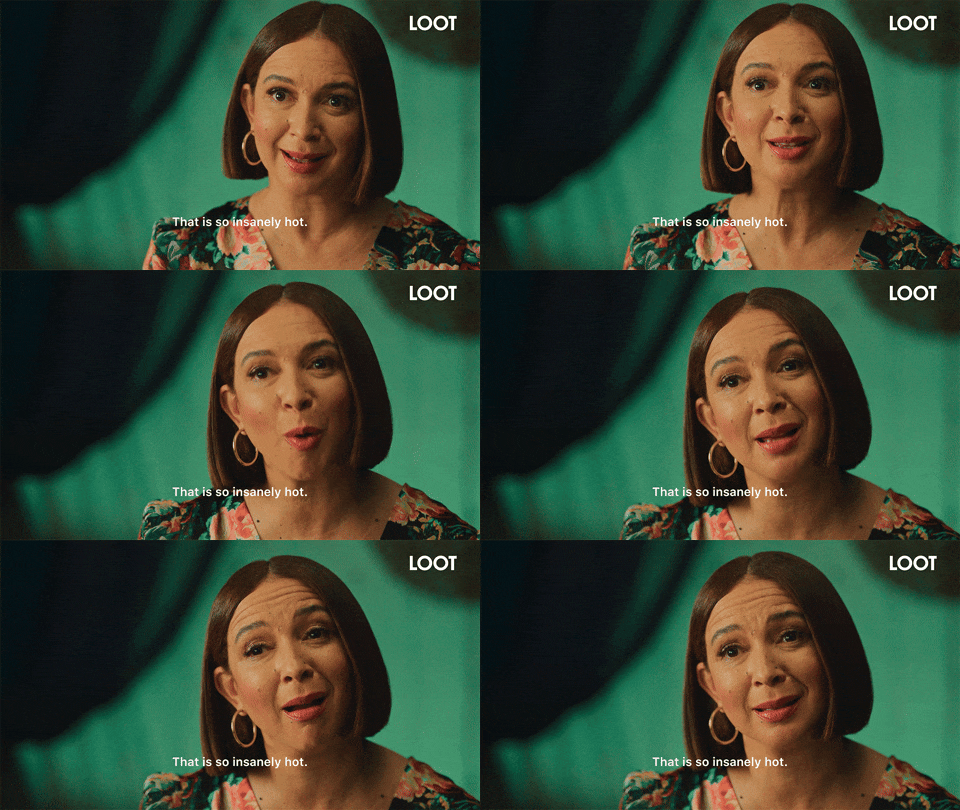
Maya Rudolph might be my favorite comedian. She can make me laugh with just a look. So how have I missed the comedy “Loot” where she plays a billionaire who channels her divorce frustration and grief into getting involved in the day to day operations of her foundation. Things do not go as planned. This is slapstick, unsophisticated comedy - there are no great character arcs here. But if you want escapist belly laughs, I highly recommend it! On Apple TV.
zoe wees
I don’t know that I’ve ever heard a voice like Zoe Wees’s. Her emotional range reminds me of Adel. Her grainy texture recalls Edith Piaf. Her low notes mirror Nina Simone. Except Zoe Wees is completely unique. Discover her here in her collaboration with Kygo. Then keep going.
where we’ve been
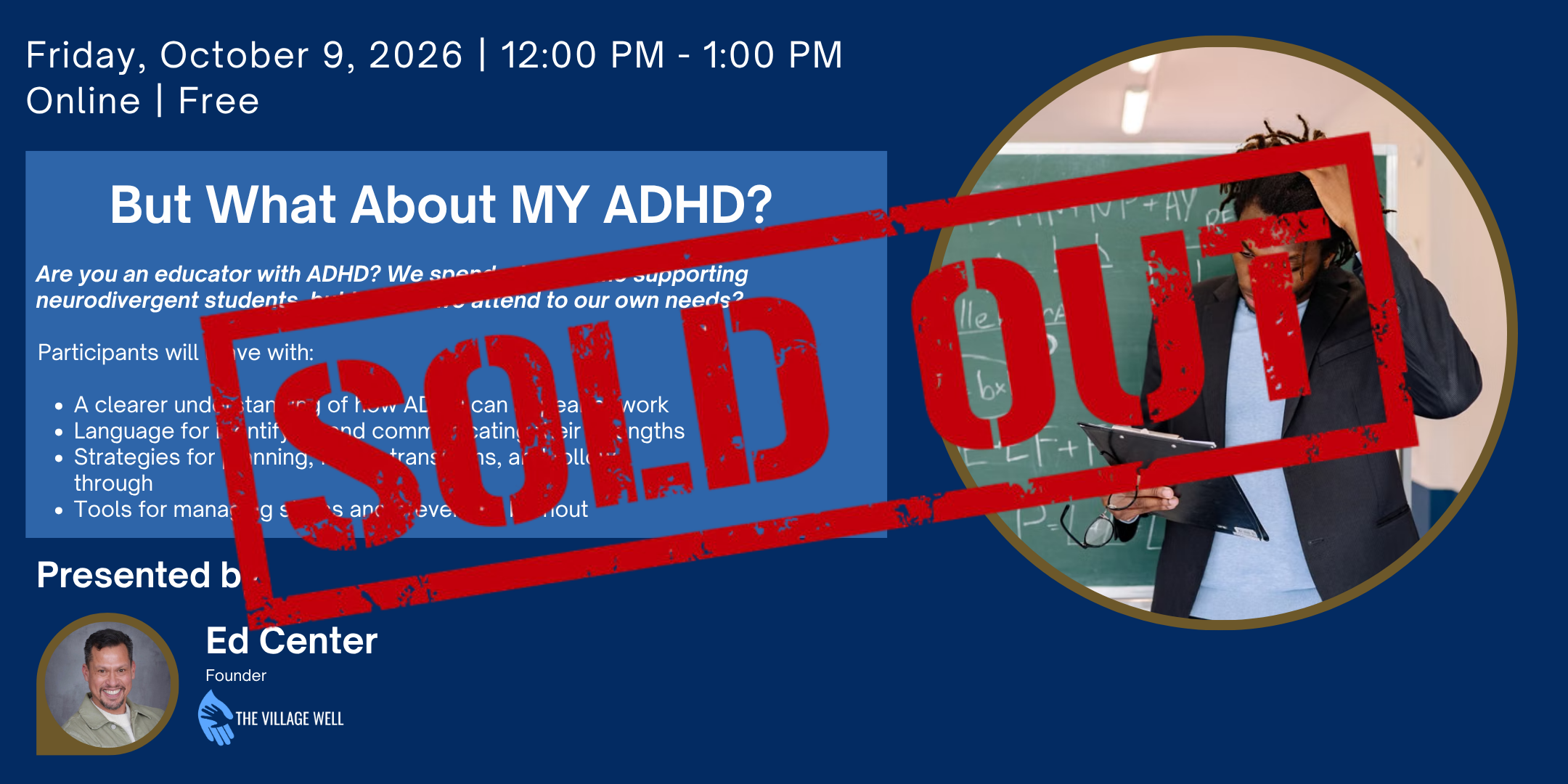
Last Friday, we gathered for a sold-out, engaging, affirming session dedicated to the educators who spend so much time supporting neurodivergent students—focusing this time on how to attend to their own workplace needs. We explored how the ADHD brain shows up on the job (and sometimes leaves without clocking out!), covering common strengths, workplace challenges, and practical self-care strategies.

Last week, we led a Youth Development Training for Tandem Partners in Early Learning, equipping educators with practical tools to foster thriving, joyful environments.
Educators explored foundational group management—including clear routines, smooth transitions, and community building—alongside deeper strategies for navigating power struggles, behavior management, and conflict resolution.

As a child with undiagnosed ADHD, Ed Center experienced firsthand what it’s like to navigate big feelings and behavioral challenges. He founded The Village Well to ensure families and educators have the practical tools and support kids with disabilities and mental health needs deserve. Whether you’re looking to build a more inclusive program or support a child at home, our team is here to help. Schedule a consultation with us today to get started!
FOLLOW THE VILLAGE WELL ON: